
UVARs are essential for getting to Net Zero
It's great that so many cities have stated their intention to become carbon net zero. 112 of these are EU Mission Cities, which have pledged to reach climate neutrality by 2030 — just five years away, other cities have set other targets. Many positive steps are being taken towards this goal. However, reducing transport emissions has remained one of the more challenging aspects.
In my opinion, net zero cannot be achieved without some form of urban vehicle access regulation (UVAR) to reduce transport emissions.
At Sadler Consultants, we showcase current, future and past UVARs on our website: www.urbanaccessregulations.eu. We also monitor cities that are considering, but not yet confirmed Zero Emission Zones (ZEZs) or declared a climate emergency, and those that have introduced sales or registration restrictions on fossil fuelled vehicles.
What we see is that the number of cities aiming to achieve net zero is not matched by the number implementing ZEZs or access regulations to significantly reduce traffic.
If your goal is to achieve net zero, then consider what UVARs could be implemented in your city to reduce transport carbon emissions. Examples include Zero Emission Zones and Spatial Interventions such as large pedestrian zones, converting road space into bus lanes/streets or taking away parking space. Improving the sustainable mobility alternatives are an essential complement to the UVARs, to ensure people and goods are still able to access the area - even if not by the first choice of transport mode. Perhaps the ReVeAL tool or EIT urban mobility UVAR course might give you inspiration (except for Low Emission Zones that generally do not reduce traffic).
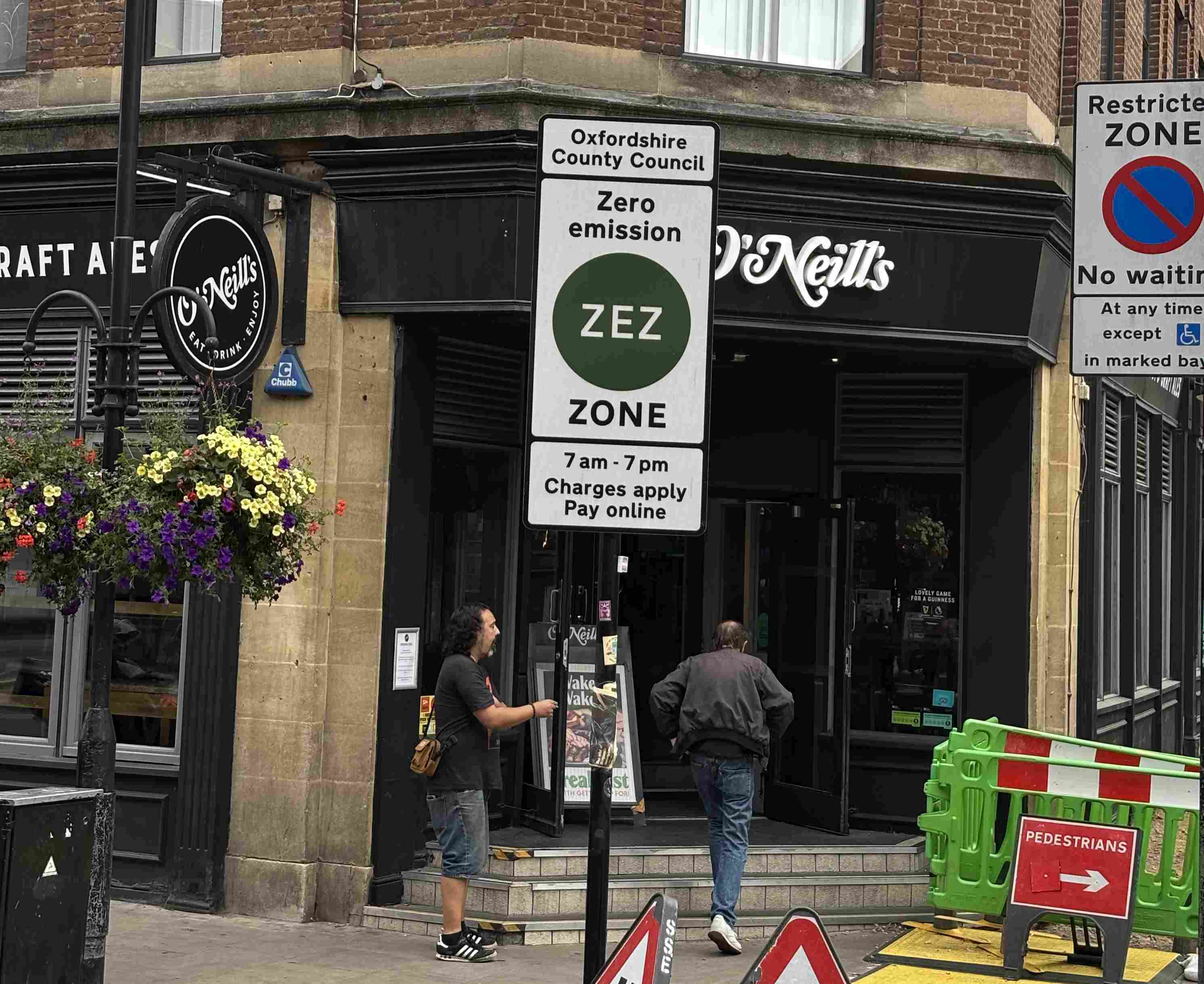
Picture Source: Sadler Consultants